

Monotho Resources is a 100% black owned South African owned company based in Gauteng Midrand. We manufacture and supply select outdoor furniture and mobile entertainment units and cupboards fitting.


Kiaat, also known as African or Wild Teak, and Mukwa, is a deciduous African woodland tree found from Zaire in the north to Kwa-Zulu Natal in the south.
The heartwood colouring is highly variable, pale uniform brown, golden brown, chocolate brown, brick-red or purplish brown with darker or redder streaks. Texture is medium to coarse, and the grain runs straight to interlocked. Sapwood is quite wide, especially on older trees and is oatmeal in colour. Kiaat weighs around 640kg/m3 when dried.
Ranked as one of the finest furniture woods in the world it is also used for panelling, flooring and carving. In building it is used for door and window frames due to its minimal linear shrinkage. It is a protected species in South Africa
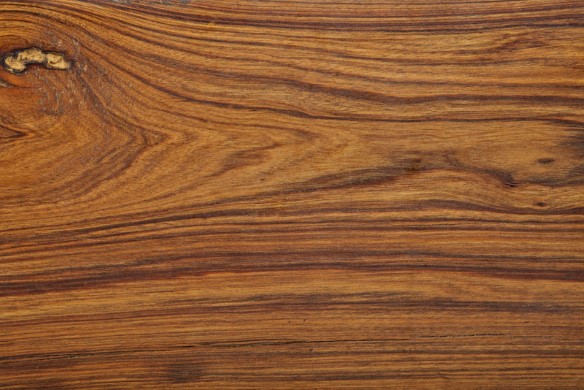
Tambotie is a medium-sized (about 10 metres (33 ft) tall) deciduous tree with a straight, clear trunk, occurring in the warmer parts of Southern Africa.
It prefers growing in single-species copses in deciduous woodland, often along watercourses or on brackish flats and sandy soils.
Despite its being prone to heart-rot, it is prized in the furniture industry for its beautiful, dense and durable timber, which is reddish-brown with darker streaks, a satin-like lustre and extremely fragrant sweet, spicy smell. The underbark exudes a white, poisonous latex when freshly cut, and campfires that burn tambuti fuel give off noxious fumes contaminating meat or other food grilled on the open flames or coals
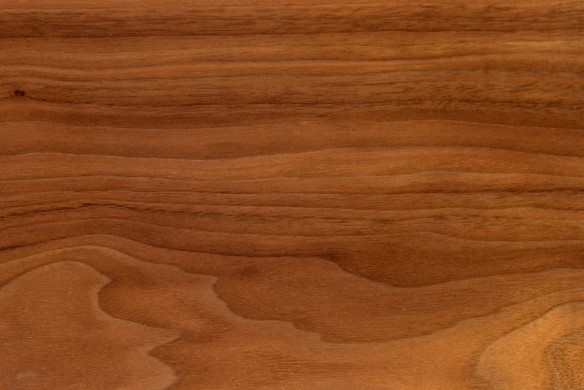
Walnut wood comes from the walnut tree (Juglandaceae). Despite its good properties and the additional use of its fruit, the walnut tree is not forested commercially. Walnut trees are widespread in temperate climates and have been cultivated from early on. The walnut is said to originally come from Asia. The European walnut wood is generally lighter than that of its American cousin. A speciality is the use of the tuber for making walnut-root-veneer. The heart and sapwood are easily distinguishable: The sapwood is 5-10cm wide, grey-white to reddish-white, the heartwood is light grey, mouse-grey to dark brown occasionally with coloured stripes (watermarks) depending upon age and location. Its irregular grain and cloudy colouring lends itself to use as a decorative wood, and this is due to the clear structure of the growth rings, the relatively large pore-structure and its intense dark colour.